
Bread, Pastry and the Case for a Kitchen Scale
eGourmetFood Editorial · October 22, 2026
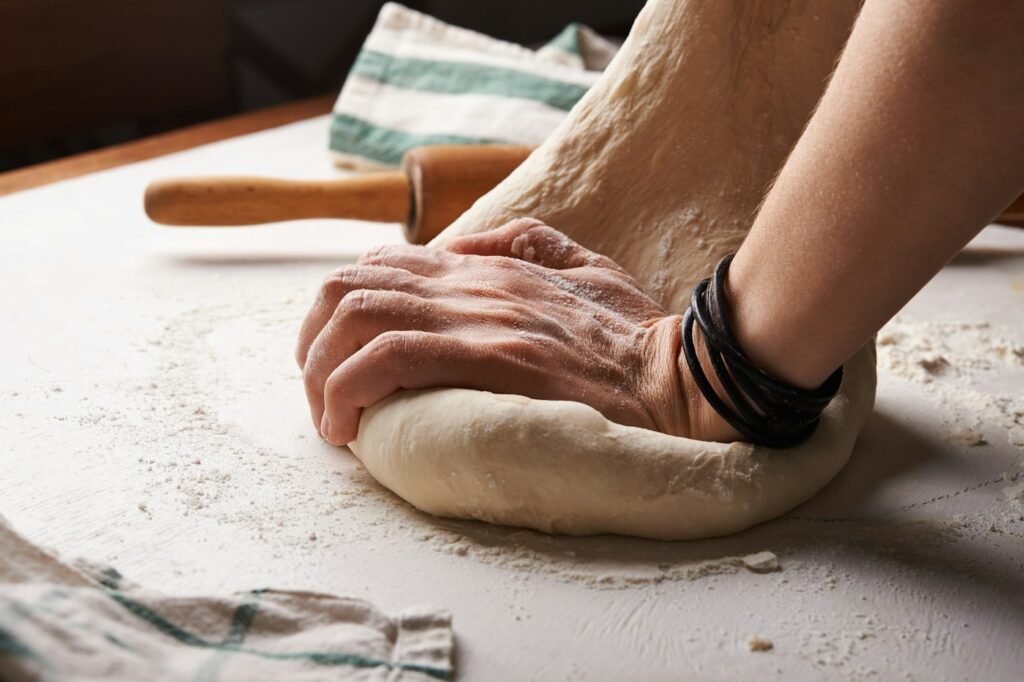
Baking becomes easier to repeat when the measurements are consistent. A kitchen scale removes one source of uncertainty.
Weight improves repeatability
A cup of flour changes with how it is filled, while a stated weight is easier to reproduce. Use the unit specified by a reliable recipe and avoid converting by guesswork. Ingredient density differs, so a volume-to-weight conversion for flour will not work for honey or butter.
Read the full method first
Look for chilling, resting and cooling time before starting. Check pan size and oven temperature, then prepare the equipment. An ingredient list can look short while the method requires several hours. Planning those pauses makes baking less stressful.
Change one variable at a time
If a bake disappoints, note flour, measurement, mixing, pan and oven behavior. Do not replace several ingredients at once and expect the same structure. Gluten-free and vegan baking substitutions often require a recipe developed for that purpose.
Use a class for feedback
A baking class can make dough texture and handling easier to understand than text alone. King Arthur Baking School is one official resource to explore. Practice a manageable recipe repeatedly before moving to a more complicated pastry. Confidence comes from recognizing the dough, not merely following a clock.
Original editorial guidance. External resources are listed in the food resource directory.