
A Flavor Framework: Salt, Acid, Richness and Texture
eGourmetFood Editorial · October 22, 2026
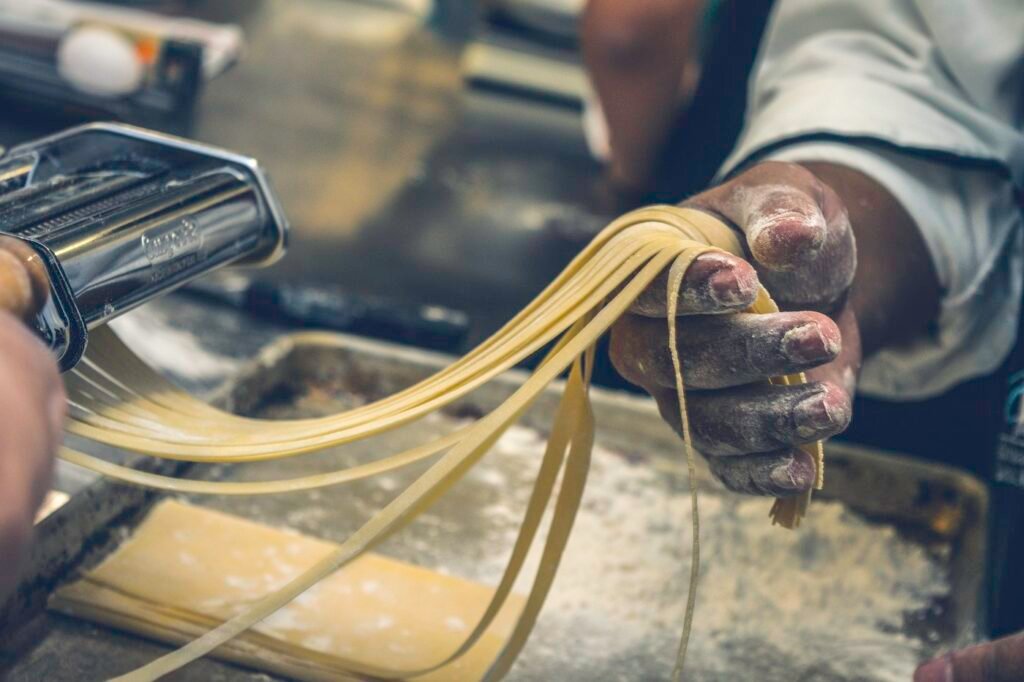
When a dish tastes unfinished, adding more of everything rarely helps. Diagnose what is missing and make one small adjustment.
Taste at the right moment
A sauce tastes different after reduction, and cheese or broth may add seasoning later. Taste during cooking when safe and again at the end. Never taste raw animal-food mixtures. Work with small additions and pause before making another change.
Use acid for brightness
Lemon juice or vinegar can make rich or earthy food feel more lively. They also change the character of a dish, so choose a flavor that fits. Add gradually; you can add more, but removing too much acid is difficult.
Use richness for roundness
Olive oil, yogurt, tahini or butter can soften sharpness and change mouthfeel, but they are not interchangeable in every recipe. Consider temperature: some dairy mixtures split at a boil. Stir in delicate finishing ingredients off the heat when appropriate.
Use texture as seasoning
Crunch, tenderness and temperature create contrast even when the flavor ingredients stay the same. Add toasted seeds at serving time, keep herbs fresh and avoid overcooking the crisp element. A balanced plate can feel more interesting without a larger ingredient list.
Original editorial guidance. External resources are listed in the food resource directory.