
Build a Better Lunch from Last Night’s Ingredients
eGourmetFood Editorial · October 22, 2026
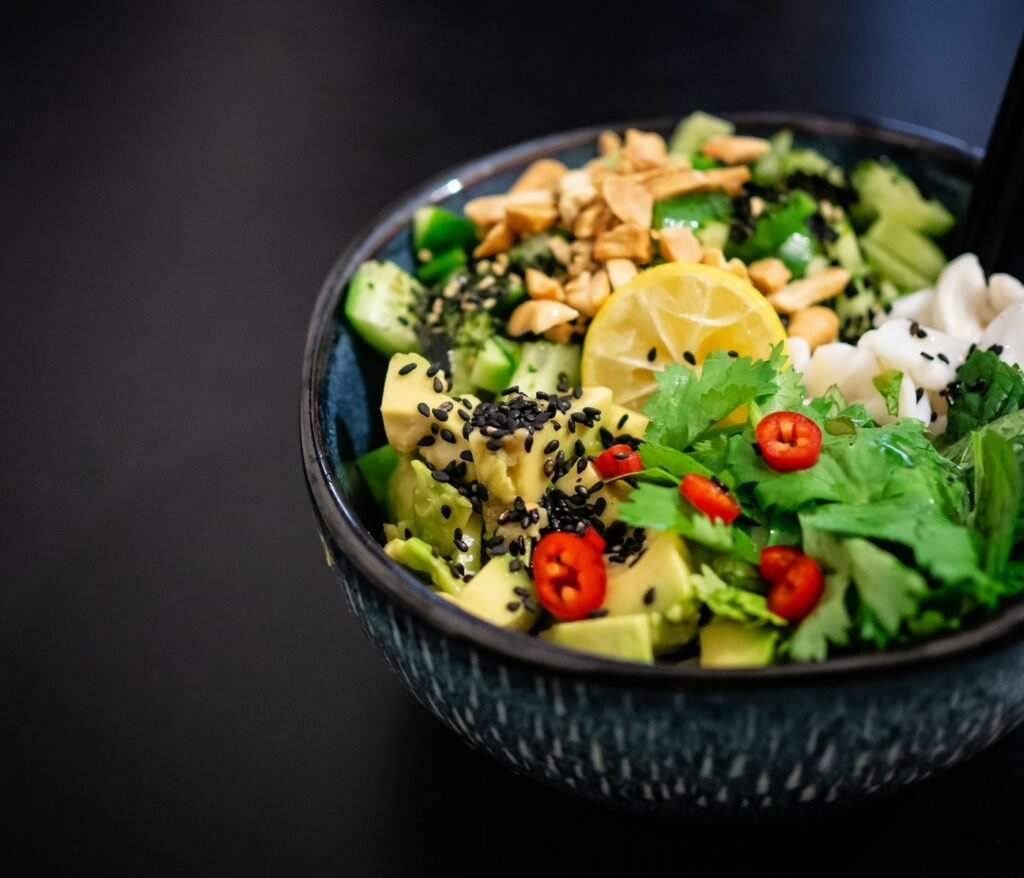
Leftovers are more appealing when they become a new combination. Plan for components rather than a second identical plate.
Save useful components separately
Keep cooked grains, vegetables and sauces in separate containers when practical. This lets you change the texture and temperature at lunch. Label containers with dates and refrigerate promptly. Planning does not extend the safe storage life of a cooked ingredient.
Add something fresh
A handful of herbs, crunchy cucumber or a squeeze of citrus changes a warm grain or bean base. Keep dressings separate until serving when they would soften fresh vegetables. Consider texture as much as seasoning.
Make the portion complete
A few roast vegetables alone may not feel like a full lunch. Add a substantial component such as beans, lentils, tofu or another protein you enjoy, and bread or grains as appropriate. Adapt quantities to appetite rather than relying on a photograph.
Reheat with care
Follow food-safety guidance and reheat leftovers to 165°F / 74°C where applicable. A covered container and a little water can help some foods reheat more evenly, but stir and check temperature. Discard food if time or storage conditions make its safety uncertain.
Original editorial guidance. External resources are listed in the food resource directory.