
The Real Value of an Expensive Ingredient
eGourmetFood Editorial · October 22, 2026
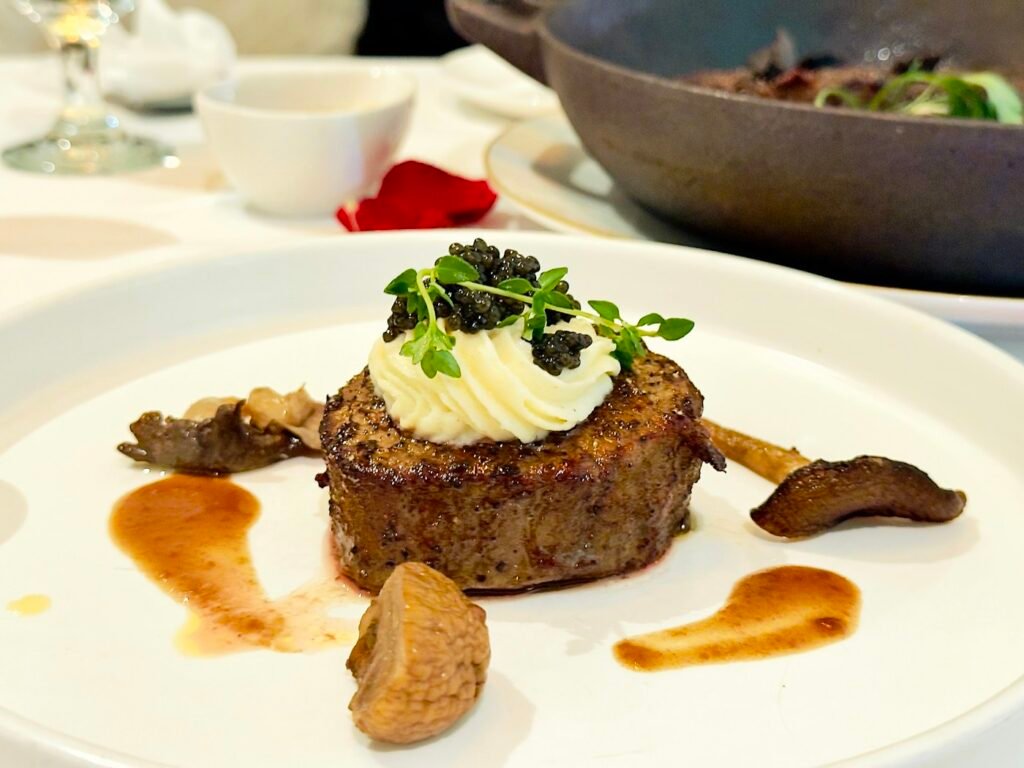
Premium ingredients can be worth buying, but the useful comparison is how much pleasure they add to the meal you plan to make.
Identify what makes it different
Read the actual product description: origin, grade, aging, variety or production method. Similar-sounding labels can describe different things. For beef, for example, American Wagyu and Japanese grading language are not interchangeable. Look for specific information instead of treating a luxury word as a complete quality standard.
Choose a method that lets it matter
A distinctive cheese can shine in a simple salad. A delicate oil may be best used at the end. If a recipe buries an ingredient under strong sauce, an everyday version might work just as well. Ask the merchant how the product is intended to be used and whether a smaller package is available.
Compare usable portions
Include shipping, trim, bones and any accompaniments in the comparison. A large package is not a bargain if part goes unused. Check thawing and storage guidance before ordering frozen food. Buying for one memorable meal can be more practical than stocking up.
Keep expectations honest
Origin, price and packaging do not tell you exactly how something will taste to you. Taste in a simple preparation, record your response and decide whether you would buy it again. Our guides explain buying decisions; they do not claim every premium product is better for every cook.
Original editorial guidance. External resources are listed in the food resource directory.